We’re here when you need us, 24 hours a day, 7 days a week


We’re here when you need us, 24 hours a day, 7 days a week
We’re here when you need us,
24 hours a day, 7 days a week
DIGITAL LEGACY - WHAT HAPPENS WHEN YOU DIE?
An amazing 98% of the UK population use the internet and 84% of us are social media users. So much of our lives exists online, but what happens to your online presence and belongings when you die?
Your digital legacy includes all your digital property and assets, which can exist in several different electronic formats, such as accounts and documents. Your digital assets include:

- Social media accounts
- Financial accounts including any cryptocurrencies held
- Online reward points
- Photos
- Videos
- Music
- Emails
- Online documents
It is interesting to note that downloaded music, playlists, video and ebooks do not form part of your digital legacy. Downloading media is not the same as owning it, so these items cannot be passed on to someone when you die.
After you die, your digital assets are treated differently, according to what they are. Before any funds, points or accounts are accessed, organisations such as banks and social media platforms require proof of death.
It is interesting to note that downloaded music, playlists, video and ebooks do not form part of your digital legacy. Downloading media is not the same as owning it, so these items cannot be passed on to someone when you die.
After you die, your digital assets are treated differently, according to what they are. Before any funds, points or accounts are accessed, organisations such as banks and social media platforms require proof of death.
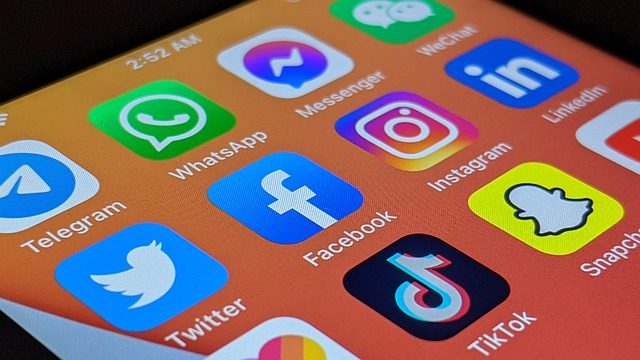
Social media accounts can be deleted or memorialised. Facebook and Instagram usually allow a legacy contact to download information such as photos after your death.
Sometimes, accounts are kept live whilst making it clear that the person has died. This can be a useful way for relatives and friends to share memories. Some accounts – such as WhatsApp – cannot be deleted on your behalf. A trusted contact will need access to your phone to delete the account for you.
Reward points are usually transferrable to another loyalty card holder upon request, however not all providers allow this.
Email accounts can be deleted after death. Most platforms are reluctant to release any information without log in details. Some will accept nomination of a “trusted contact” to share data with.
Bank accounts must be dealt with by your nominated executor. If you die without having a will, this responsibility falls to your next of kin.
Protecting Your Digital Legacy
Here are some steps to take:
1. Appoint an executor (within your will) or a nominated digital contact to manage your digital legacy when you die. Ensure that they know how/where to locate your account details.
2. List your digital assets and check the policies of the organisations involved so you can choose what happens when you die from available options.
3. Ensure that no vital information is stored within emails as this may not be easily accessible upon your death.
Remember that your digital legacy concerns your online presence as well as any assets such as photos and finances. Considering and expressing your wishes gives you peace of mind and helps your trusted contact/executor to know what course of action to take.
Make an enquiry
Our friendly team is here to support you with any questions or concerns you may have. Please take a moment to fill in the short form below, and we’ll get back to you as soon as we can during our working hours, Monday to Friday, 9am–5pm. Urgent enquiries should be made by calling 01438 316623.