When someone dies unexpectedly, the shock can be overwhelming. There may have been no warning signs, no opportunity to prepare and no chance to say goodbye. For families experiencing a sudden or traumatic death, grief can feel particularly difficult to navigate as their loss itself may feel impossible to understand.
As funeral directors, the Austin’s team supports many families in the days and weeks following an unexpected death. We understand that arranging a funeral is only one part of what people are facing. Loved ones are trying to process a life-changing event and come to terms with the loss of their relative or friend.
Why sudden death can make grief feel different

When someone passes away after a long illness, families often have time to prepare emotionally and practically. They may have opportunities to talk, ask questions and begin adjusting to what lies ahead.
A sudden bereavement can feel very different. Loved ones may struggle to process what has happened, experiencing a range of emotions including shock, anger, guilt, confusion, sadness or numbness.
Some people find themselves repeatedly thinking about the circumstances of the death, while others may feel unable to talk about what happened. There is no right or wrong way to grieve. Everyone responds to loss differently.
When a healthy person passes away quickly, within a few hours of showing symptoms, it’s called sudden death. Sudden death accounts for up to 15% of all deaths among working-age adults. (ScienceDirect)
The impact of traumatic bereavement
Some deaths are not only sudden but traumatic too, such as those following accidents, suicide, violence or unexpected medical events. In these situations, grief may be accompanied by additional feelings such as distress, unanswered questions or difficulty accepting what has happened.
For people bereaved by suicide, research has shown that grief can be complicated by feelings of stigma, isolation and a lack of understanding from others. This can make it harder for some people to seek support at a time when they need it most. Specialist support is available after sudden death, including from the specialist charity Sudden Sam.
If you are supporting someone after a traumatic death, one of the most valuable things you can do is simply be present. Supporting bereavement beyond words can make a lasting difference to grieving loved ones.
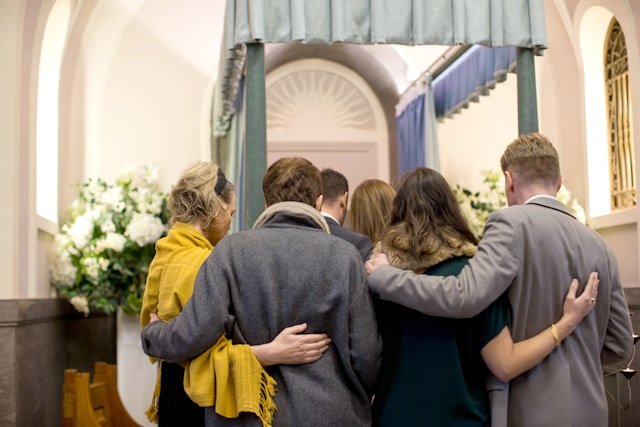
How a funeral can help after sudden loss
After an unexpected death, the funeral can provide an important opportunity to pause, gather together and remember the person who has died. It can provide a meaningful way to acknowledge what has happened and enable you to grieve.
For many families, creating a personal funeral service can help bring comfort during a time that may feel unreal. A favourite piece of music, photographs, meaningful readings or stories shared by friends and family can help celebrate a person’s life and create a moment of connection.
Finding support after an unexpected death
Grief never follows a set path, especially after a sudden death. Some days may feel manageable, while others can feel overwhelming. Anniversaries, birthdays or reminders of the person who has died may bring powerful emotions, even many months or years later.
It’s important to be patient and compassionate with yourself. Seeking support from family, friends, bereavement organisations such as Cruse, or professional services can help you feel less alone. Samaritans provides confidential support for anyone struggling emotionally, including those affected by suicide loss.
As funeral directors, our role extends beyond simply arranging a funeral. Our warm, friendly and professional team is here to listen, answer your questions and offer guidance as you navigate one of life’s most challenging times.
Our funeral offices are located throughout Hertfordshire. We’re here to help – please contact us.