When someone close to us passes away, grief touches every member of the family. Everyone grieves in their own way. This is especially true for children. The team at Austin’s Family Funeral Directors often see families trying to understand why a child seems to be coping very differently from the adults around them. This is completely normal.
An Adult’s Perspective
For adults, grief can feel constant and all-consuming, especially in the early days following bereavement. Alongside the sadness and shock of losing someone important, there are often practical responsibilities to manage too. These actions include arranging the funeral, contacting family and friends, dealing with paperwork and trying to support others while coping with your own emotions.
Adults are often more able to recognise their feelings such as sadness, guilt or anger, although that doesn’t make grief easier.
How Children Grieve
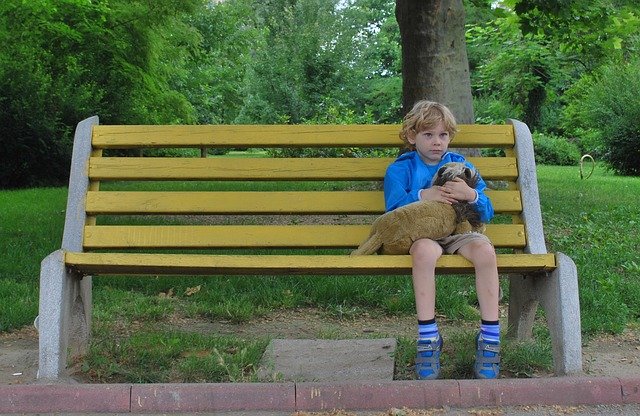
Children often grieve in shorter bursts compared to adults. They may cry and ask questions one moment, then start to play the next. To an adult, this can feel unsettling, as though they have not understood what has happened or are not as affected. In reality, children tend to process grief in smaller pieces. They move in and out of it, returning to everyday life when they need a break from difficult feelings.
Children may not always have the words to explain what they are feeling. Instead, grief may show itself through changes in behaviour, such as becoming clingy, withdrawn, angry, anxious, or having trouble sleeping or concentrating.
Their understanding of death changes as they grow. A young child may understand that someone has gone, but not fully grasp the permanence of the situation. As they get older, they may revisit that loss and begin to process it in a different way. This means grief for children can reappear at different stages of life, even years after the person has passed away.
Supporting Children Through Grief
Sadly, many children experience bereavement. Child Bereavement UK supports grieving children and young people, and parents bereaved of a baby or child. The organisation estimates that: ‘around 26,900 parents die each year in the UK, leaving dependent children. That’s one parent every 20 minutes.’ They think that ‘these parents left behind around 46,300 dependent children aged 0-17 each year. That’s 127 newly bereaved children every day.’

There is no correct way to grieve, whether you are aged six or sixty. Some people want to talk. Others need quiet. Some cry openly, while others keep their feelings private. It’s important to make space for grief however it feels.
You are welcome to read and/or download our resource: Talking to Children About Death. We also have carefully curated books supporting people who are grieving in our Grief Support Lending Library. Books are free to borrow, with some titles written especially for children.
At Austin’s Family Funeral Directors, we’ve been supporting communities across Herts for over 300 years. We understand that bereavement affects every family member differently. If you need help planning a funeral, or simply want guidance and support after a loved one has passed away, we are always here to help.