Grief is something we all experience. When we contemplate bereavement, we often think of sadness, tears, exhaustion or loneliness. What you may not expect is how it can affect your sense of identity and purpose. This is especially true if you lose a partner or close friend, or if you were caring for someone before they died.
The team at Austin’s Family Funeral Directors work closely with loved ones to arrange funerals and cremations. Grieving friends and relatives often tell us:

- “I don’t know who I am anymore.”
- “I’ve lost my role.”
- “Everything feels unfamiliar now.”
These feelings are far more common than many people realise.
When someone close to us dies, we are not only grieving the person but also the life, routines and future plans that existed alongside them. Whether someone was a husband, wife, parent, sibling, carer or lifelong friend, those relationships often become part of how we define ourselves.
A feeling of disconnection
Research shows that bereavement can deeply affect a person’s identity. A 2022 study explored spousal bereavement. It found that many grieving people struggled to reconcile who they were before their loss with who they had become afterwards. Participants described feeling disconnected from their previous selves and needing to rebuild their identity over time. (Sage Journals)
For many people, purpose is closely tied to relationships. A partner may have been the person they cared for every day. A parent may have centred their life around family routines. When that person dies, everyday structure can suddenly disappear. Even simple questions such as “What do I do now?” or “Who am I without them?” can feel overwhelming. This sense of disconnection can create prolonged grief and higher levels of depression and anxiety after bereavement. (ScienceDirect)
This experience is not limited to older people or spouses. Bereavement can affect identity at any age and after many types of loss. For example:
- Young adults who lose parents often describe feeling different from their peers. Widowed people may struggle with no longer being part of a couple.
- Adult children can feel lost after years spent caring for a parent.
- Friendship groups and social confidence can shift after loss, leaving people feeling disconnected from the world around them.
The important thing to remember is that this does not mean something is “wrong”. When someone has been woven into our daily life and identity, their absence naturally leaves a gap. Healing involves slowly learning how to carry grief while rebuilding confidence, routine and meaning in a different way. This usually takes time.
Rebuilding your purpose
For some people, purpose begins to return through small routines, such as:

- walking the dog,
- meeting a friend for coffee,
- gardening, or
- returning to work.
For others, it may come from:
- volunteering,
- supporting family,
- joining bereavement groups, or
- allowing themselves to talk honestly about how they feel.
Social support plays a vital role in helping people adapt after bereavement. Feeling heard, understood and included can make a big difference when someone’s identity feels uncertain.
Support from Austin’s Family Funeral Directors
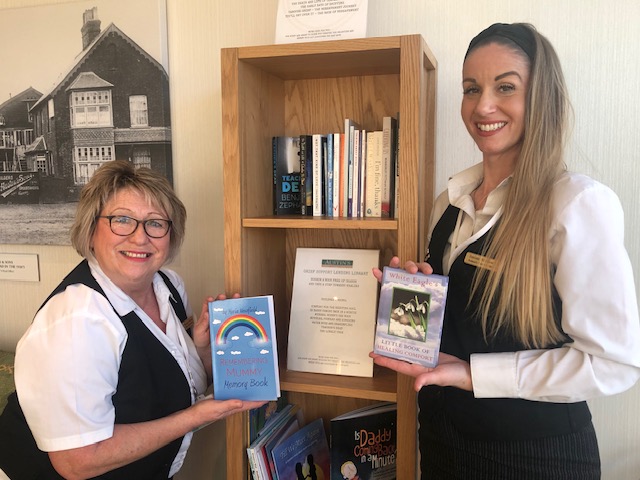
As well as offering a friendly ear, our team can also help with:
- Grief Support Lending Library with carefully curated titles for adults and especially for children. You are welcome to visit and borrow a book.
- Our Bereavement Centre at our office in Stevenage High Street is open on Saturdays from 9am to 1pm. You are welcome to call in for an informal chat.
- Our memorial gardens at Harwood Park offer a beautiful, natural retreat for you to discover and spend time thinking of your loved one. You’ll find us on the outskirts of Stevenage.
There is no timetable for rebuilding confidence or rediscovering purpose after loss. This does not involve forgetting the person who died, but by learning how their memory can continue to be part of your life moving forward.